

President Trump Delivers an Address to the Nation
Published: December 18, 2025
Network: The White House
Analysis: Conservative Caucus President Jim Pfaff
In a comprehensive Trump address to the nation delivered from the White House on December 18, 2025, President Donald Trump outlined what he characterized as the most transformative first year of any administration in American history. Speaking directly to the American people, Trump detailed sweeping policy changes across border security, economic recovery, and national defense that mark a dramatic departure from the previous administration. This Trump address to the nation comes as the president approaches his first anniversary back in office, offering a detailed accounting of promises kept and challenges overcome.
Topics Covered
- The Crisis Trump Inherited
- Achieving “Impossible” Border Security
- Reversing the Inflation Disaster
- Historic Wage Growth and Job Creation
- The Warrior Dividend: $1,776 for Service Members
- Taking On Big Pharma
- Restoring Energy Dominance
- Addressing the Housing Affordability Crisis
- Key Takeaways
The Crisis Trump Inherited
President Trump opened his address to the nation by painting a stark picture of the conditions he faced upon taking office in January 2025. According to the president, he inherited “the worst inflation in 48 years,” an open southern border that allowed “an army of 25 million people” into the country, and a nation that had become “the laughingstock of the world” due to poor trade deals and weak foreign policy.
The president didn’t mince words about his predecessor’s record, detailing what he characterized as a systematic failure of governance that prioritized “insiders, illegal aliens, career criminals, corporate lobbyists, prisoners, terrorists, and above all, foreign nations” over hardworking American citizens.
“One year ago, our country was dead. We were absolutely dead. Our country was ready to fail. Totally failed. Now, we’re the hottest country anywhere in the world.”
— President Donald J. Trump
This framing established the central narrative of Trump’s address: a nation rescued from the brink of collapse through decisive executive action and a return to America First policies.
Achieving “Impossible” Border Security
Perhaps the most striking claim in Trump’s address to the nation centered on border security. The president asserted that “for the past seven months, zero illegal aliens have been allowed into our country, a feat which everyone said was absolutely impossible.”
This achievement, according to Trump, exposed the falsehood of claims made by the Biden administration that congressional legislation was necessary to secure the border. “As it turned out, we didn’t need legislation. We just needed a new president,” Trump declared, drawing a direct contrast with his predecessor’s approach.
Border Security By the Numbers
Key statistics cited by President Trump:
- Zero illegal border crossings for seven consecutive months
- Drugs brought in by ocean and sea down 94%
- Reverse migration now occurring for the first time in 50 years
- Washington, D.C. experiencing “levels of safety never seen before”
The president credited his administration’s approach with dismantling “bloodthirsty foreign drug cartels” and restoring safety to America’s most dangerous cities. He particularly highlighted the dramatic reduction in maritime drug trafficking, claiming a 94% decrease in drugs brought in by sea.
Trump also addressed the controversial topic of criminal deportations, noting that the Biden administration had allowed entry to “11,888 murderers, more than 50 percent of whom killed more than one person.” His administration’s focus on deporting criminals has become a centerpiece of his immigration enforcement strategy.
Reversing the Inflation Disaster
Moving from border security to economic policy, President Trump presented detailed statistics on price reductions achieved during his first year in office. He framed the Biden years as an era of “looting” the treasury that drove prices to unprecedented levels, contrasting it with his administration’s success in “bringing those high prices down and bringing them down very fast.”
The president cited specific price increases under the Biden administration that his policies have begun to reverse:
- Car prices rose 22% (30%+ in many states) under Biden
- Gasoline increased 30-50%
- Hotel rates surged 37%
- Airfares jumped 31%
Against these increases, Trump highlighted recent price reductions his administration has achieved. The most dramatic example cited was egg prices, which the president claimed are “down 82 percent since March.” Thanksgiving turkey prices fell 33% compared to the previous year under Biden, Trump noted, offering tangible evidence of relief for American families.
“For the first time in years, wages are rising much faster than inflation. Remember that. The wages, just look at it. Wages are going up much faster than inflation. How big is that?”
— President Donald J. Trump
Historic Wage Growth and Job Creation
President Trump devoted significant attention to employment and wage statistics, positioning his administration’s economic policies as delivering unprecedented benefits to American workers. He claimed that under Biden, “real wages plummeted by $3,000,” while his policies are now boosting wages across multiple sectors.
According to the president’s figures, wage increases have varied by industry but show consistent growth:
- Factory workers: $1,300 increase
- Construction workers: $1,800 increase
- Miners: $3,300 increase (as coal production returns)
Perhaps most significantly for Trump’s economic narrative, he emphasized that “100 percent of all jobs created since I took office have been in the private sector” rather than government employment. This statistic serves as a key differentiator from previous administrations and aligns with conservative principles of limited government and private sector growth.
Investment and Job Creation
President Trump announced that he has secured $18 trillion in investment commitments to the United States, which he projects will result in:
- Mass factory and plant construction
- Job creation in AI and automobile manufacturing
- Increased national security through domestic production
- Higher wage growth across sectors
The president attributed much of this investment surge to his tariff policies, which he described as incentivizing companies to build in America to avoid import duties. “Companies know that if they build in America, there are no tariffs, and that’s why they’re coming home to the USA in record numbers,” Trump explained.
The Warrior Dividend: $1,776 for Service Members
In one of the most dramatic announcements of his address to the nation, President Trump revealed that 1.45 million military service members would receive a special “Warrior Dividend” of $1,776 before Christmas—a symbolic amount referencing the year of America’s founding.
This unexpected benefit, according to Trump, was made possible by higher-than-expected revenues from tariffs combined with savings from recently passed legislation. “We made a lot more money than anybody thought because of tariffs, and the bill helped us along,” the president explained, adding that “nobody understood that one until about 30 minutes ago.”
The timing of the announcement—just days before Christmas—and the patriotic symbolism of the $1,776 amount demonstrate Trump’s flair for dramatic policy rollouts that generate both practical benefits and emotional resonance with his base.
Trump also highlighted a turnaround in military recruitment, claiming that the armed forces now have “record enlistment” after experiencing “among the worst recruitment numbers in our military’s history” the previous year. This reversal, he suggested, reflects renewed respect for the military and improved morale under his leadership.
Taking On Big Pharma
President Trump positioned his pharmaceutical pricing reforms as achieving what “no politician of either party has ever done”—directly confronting drug companies and foreign nations to slash prescription drug prices. He claimed to have negotiated price reductions of “as much as 400, 500, and even 600 percent” on various medications.
The mechanism for these reductions, according to Trump, involves a policy called “most favored nation,” which he said “no president has ever had the courage or ability to get this done until now.” This approach apparently leverages the threat of tariffs to force foreign countries to pay costs that previously fell on American consumers.
“There has never been anything like this in the history of our country. Drugs have only gone up, but now they’ll be going down by numbers never conceived possible.”
— President Donald J. Trump
Trump announced that these “unprecedented price reductions” would become available starting in January through a new website, trumprx.gov. He framed the policy as directly benefiting consumers while taking on powerful pharmaceutical and insurance industry interests.
The president also previewed a broader healthcare reform agenda targeting insurance companies, which he accused of profiting excessively from the Affordable Care Act. Trump proposed redirecting money currently going to insurance companies “directly to the people” so Americans can purchase their own healthcare plans, which he promised would provide “far better benefits at much lower costs.”
This approach puts Trump on a collision course with both the insurance industry and Democrats who support the ACA, but aligns with conservative principles of consumer choice and market-based healthcare solutions.
Restoring Energy Dominance
Energy policy received substantial attention in Trump’s address, with the president characterizing the previous administration’s “green energy” initiatives as a “scam” designed to “funnel many billions of dollars into their own massive slush funds” while driving up consumer costs.
According to Trump’s figures, energy costs surged 30-100% under Biden, costing the typical family “$5,000 to $10,000” in higher energy expenses. His response was to declare a “national energy emergency” on day one of his administration, setting the stage for aggressive expansion of traditional energy production.
Energy Achievement Highlights
- Gasoline now under $2.50/gallon in much of the country
- Some states seeing prices as low as $1.99/gallon
- 1,600 new electrical generating plants to open within 12 months
- Dramatic reduction in electricity prices projected
- Return of “clean, beautiful coal” production
The president’s reference to “clean, beautiful coal” signals a complete reversal of the previous administration’s climate policies and a return to fossil fuel development as a centerpiece of American energy strategy. This approach prioritizes immediate consumer cost relief and energy independence over long-term climate considerations.
Trump projected that the opening of 1,600 new electrical generating plants represents “a record that won’t be beaten by practically, I would say, by anybody, or certainly not very soon.” This massive expansion of generating capacity is intended to support both lower consumer prices and the industrial growth needed to accommodate returning manufacturing operations.
Addressing the Housing Affordability Crisis
In his address to the nation, President Trump connected multiple policy areas—immigration, interest rates, and regulatory reform—to the housing affordability crisis facing millions of Americans. He argued that the Biden administration’s border policies directly contributed to skyrocketing housing costs.
“Over 60 percent of growth in the rental market came from foreign migrants,” Trump claimed, arguing that providing “taxpayer-funded housing” to millions of illegal immigrants while American citizens struggled with rising rents represented a fundamental betrayal of the government’s duty to its citizens.
The president cited the “colossal border invasion” as a major factor driving up housing costs, noting that “for the first time in 50 years, we are now seeing reverse migration as migrants go back home, leaving more housing and more jobs for Americans.”
On the financial side, Trump noted that “the yearly cost of a typical new mortgage increased by $15,000 under Democrat rule,” but his administration has already reduced that annual cost by $3,000. He promised further reductions through his selection of a new Federal Reserve chairman “who believes in lower interest rates by a lot.”
“In the new year, I will announce some of the most aggressive housing reform plans in American history.”
— President Donald J. Trump
While Trump didn’t detail the specific reforms he plans to announce, his framing suggests a comprehensive approach addressing supply constraints, regulatory barriers, and financing costs simultaneously. The combination of reduced immigration pressure on housing stock, lower interest rates, and forthcoming regulatory reforms represents the administration’s multi-pronged strategy for restoring housing affordability.
Key Takeaways
- Border Security Transformation – Trump claims to have achieved zero illegal border crossings for seven consecutive months, a 94% reduction in maritime drug trafficking, and the beginning of reverse migration—all without new legislation.
- Economic Recovery Metrics – The administration cites dramatic price reductions including 82% decrease in egg prices and 33% reduction in turkey costs, while wages are rising faster than inflation for the first time in years.
- Job Creation Focus – 100% of net job creation under Trump has gone to American-born citizens working in the private sector, representing a complete reversal from the previous administration’s record.
- Military Support and Recruitment – The surprise “Warrior Dividend” of $1,776 for 1.45 million service members, funded by tariff revenues, coincides with record military enlistment after years of recruitment struggles.
- Pharmaceutical Price Revolution – Trump’s “most favored nation” policy promises prescription drug price reductions of 400-600%, with savings accessible through trumprx.gov starting in January.
- Energy Independence Strategy – Gasoline prices have fallen below $2.50/gallon in much of the country, with 1,600 new generating plants planned and a return to coal and fossil fuel production.
- Housing Affordability Initiative – Reduced immigration pressure, lower interest rates through a new Fed chairman, and forthcoming “aggressive housing reform plans” aim to reverse the $15,000 increase in annual mortgage costs under Biden.
- Tariff-Driven Investment – $18 trillion in investment commitments secured through tariff policies that incentivize domestic manufacturing, with companies building factories in AI, automotive, and other sectors at unprecedented rates.
Share This Analysis
Join The Conservative Caucus
Stand with thousands of Americans defending constitutional principles and the rule of law.
About The Conservative Caucus:
The Conservative Caucus is a grassroots public policy action organization, formed in 1974. Headed by President Jim Pfaff, the Caucus is committed to advancing free enterprise, limited government, and traditional values.
Originally broadcast December 18, 2025 on The White House.




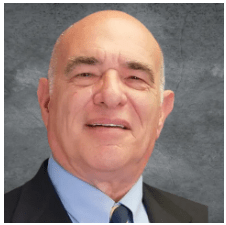 Peter J. Thomas is a veteran conservative political strategist and seasoned policy expert dedicated to upholding the principles of the Constitution and democracy. As a founder and the chairman of the Conservative Caucus, he has played a pivotal role in promoting and shaping the conservative agenda across the nation for over half a century.